A Bonded Warehouse Isn’t Storage — It’s a Cash-Flow Strategy
Why importers are treating Class 3 bonded storage as a tariff shelter, not a shelf.
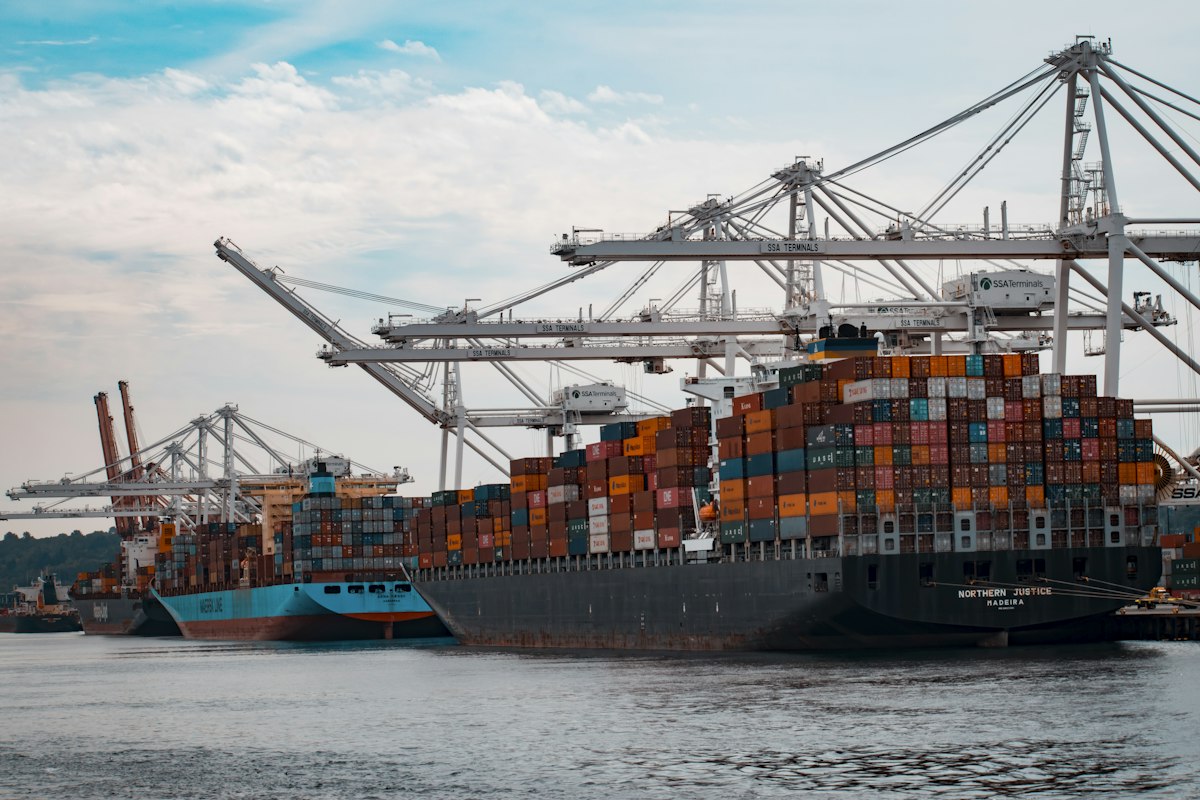
Most importers think of a bonded warehouse as a storage solution. It is actually a cash-flow strategy: by holding goods in-bond for up to five years instead of entering them immediately, you pay duties and taxes on withdrawal — when you sell or use the inventory — not when the cargo arrives.
Most importers think of a bonded warehouse as a storage solution. It’s actually a cash-flow strategy.
When you import goods and place them in a bonded warehouse for up to five years instead of entering them for immediate consumption, you’re not paying duties and taxes on arrival. You pay them on withdrawal — when you’re ready to sell or put that inventory into production, not when the cargo arrives.
We call it a tariff shelter. And in today’s environment, knowing how to use one strategically can make a real difference to your bottom line. The fact that goods can remain in the warehouse for up to five years creates a significant savings opportunity for things like infrastructure projects or just-in-time manufacturing demand.
If you’re importing goods you’re not ready to sell or use yet, it might be worth a conversation.